Early-flowering shrubs are pruned after flowering (in late winter to spring and early summer, depending on the shrub).
They usually flower on the previous year’s growth. Pruning immediately after flowering allows the maximum time for development of young growth to provide the following year’s flowers before the end of summer.
Pruning requirements depend on the type of shrub, but all early-flowering shrubs need routine removal of damaged, diseased or dead wood, as follows:
Cut out any damaged or dead shoots back to their point of origin or to ground level
Where there are many stems remove some to ground level to keep the bush open and avoid congestion
Finally take out any weak, spindly or twiggy shoots right to the point of origin or to ground level so the plant concentrates its resources on strong new shoots that will bear the best flowers
These are just some of the shrubs you may see in your garden, they all require pruning before the end of June.
January & February
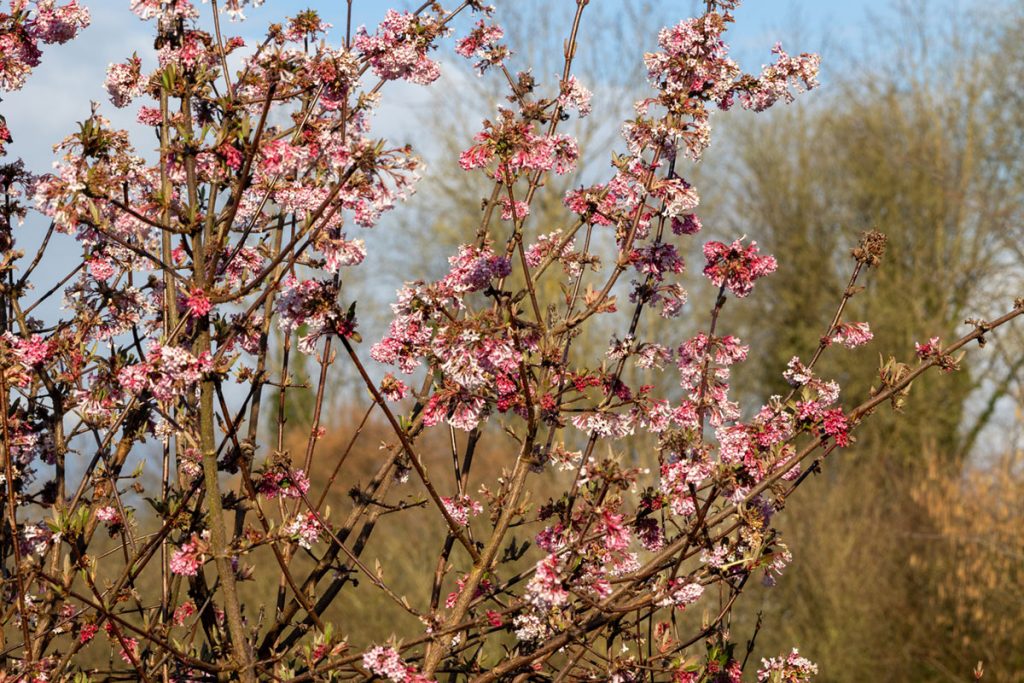
Viburnum × bodnantense ‘Dawn’: Clusters of highly fragrant, tubular pink flowers bloom on bare branches.
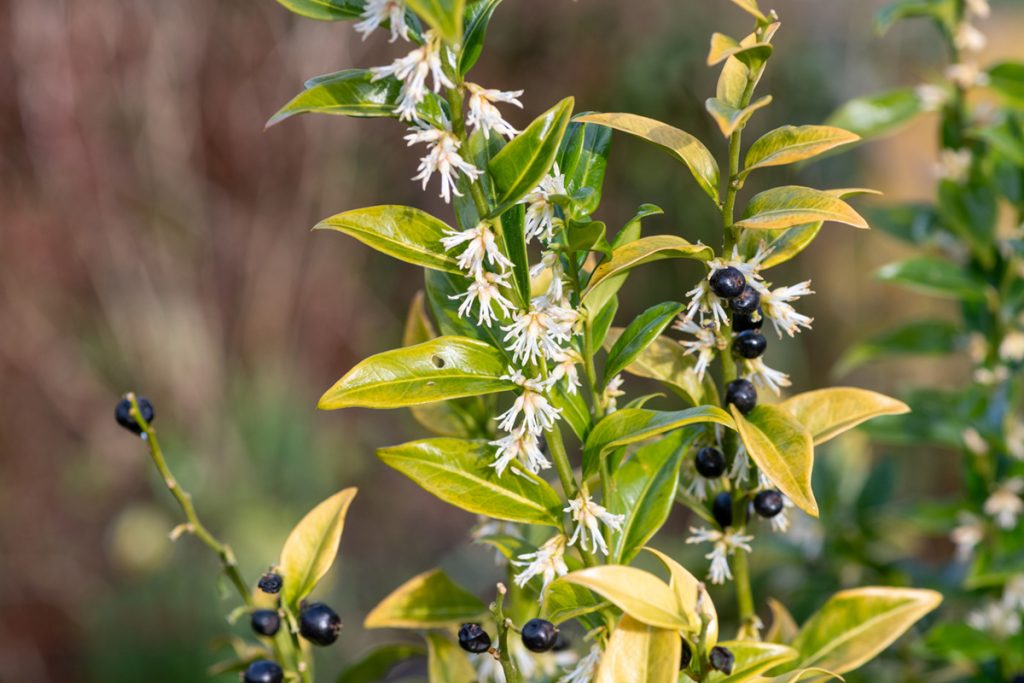
Sweet Box (Sarcococca): An evergreen shrub with discreet white flowers that emit an incredibly sweet, vanilla-like scent.
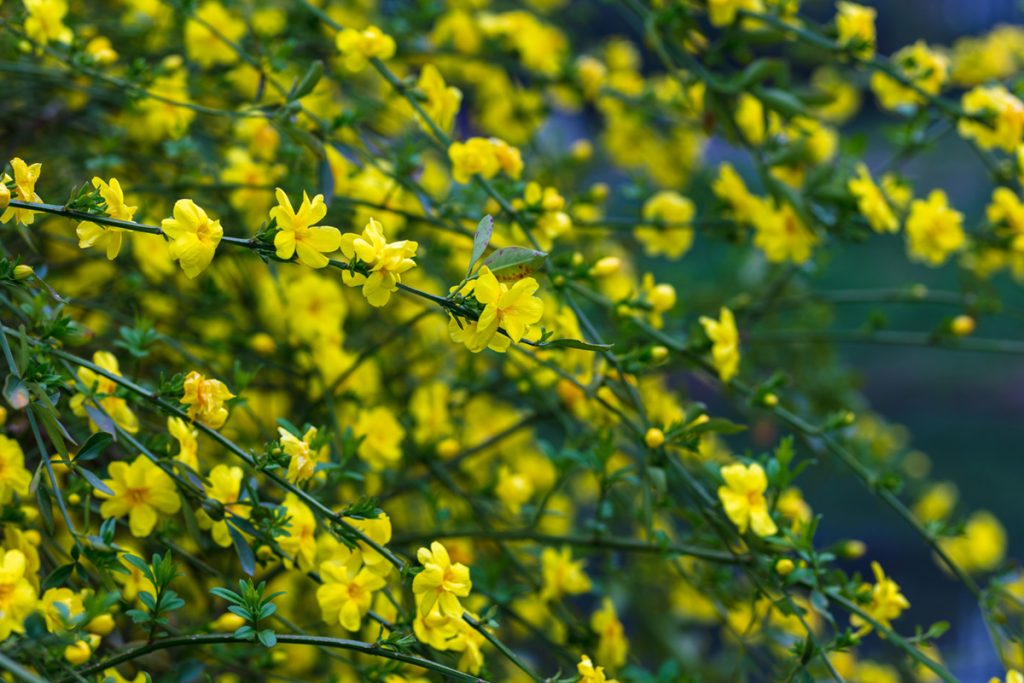
Winter Jasmine (Jasminum nudiflorum): Tumbles with bright yellow blooms even on bare stems.
Viburnum × bodnantense 'Dawn'
Sweet Box (Sarcococca)
Winter Jasmine (Jasminum nudiflorum):
March & April
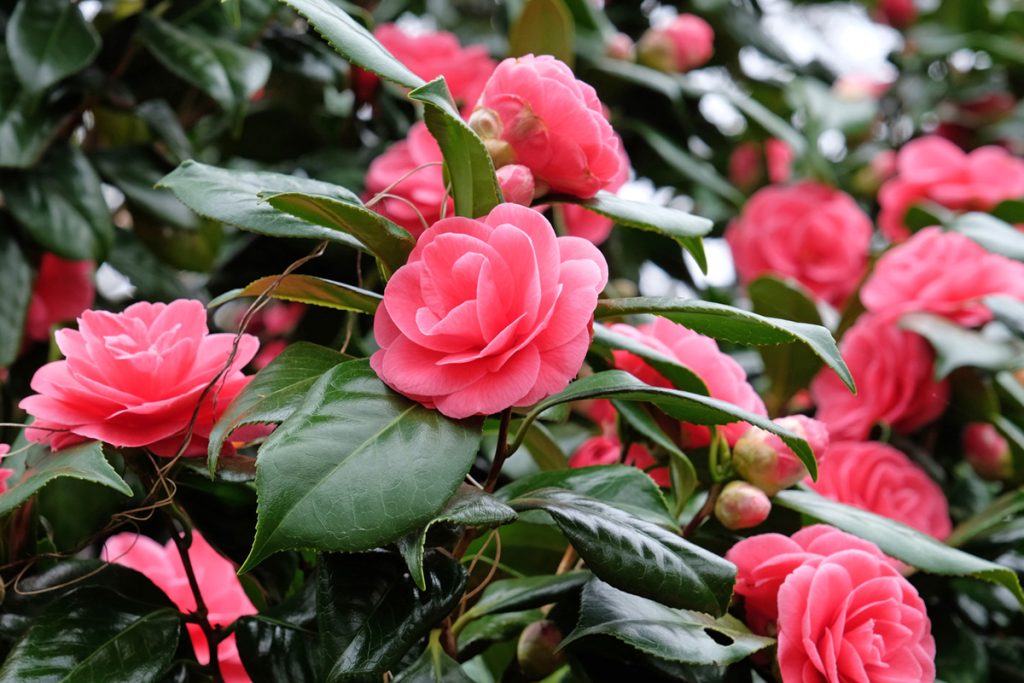
Camellia: Famous for its stunning, rose-like flowers and glossy, evergreen foliage.
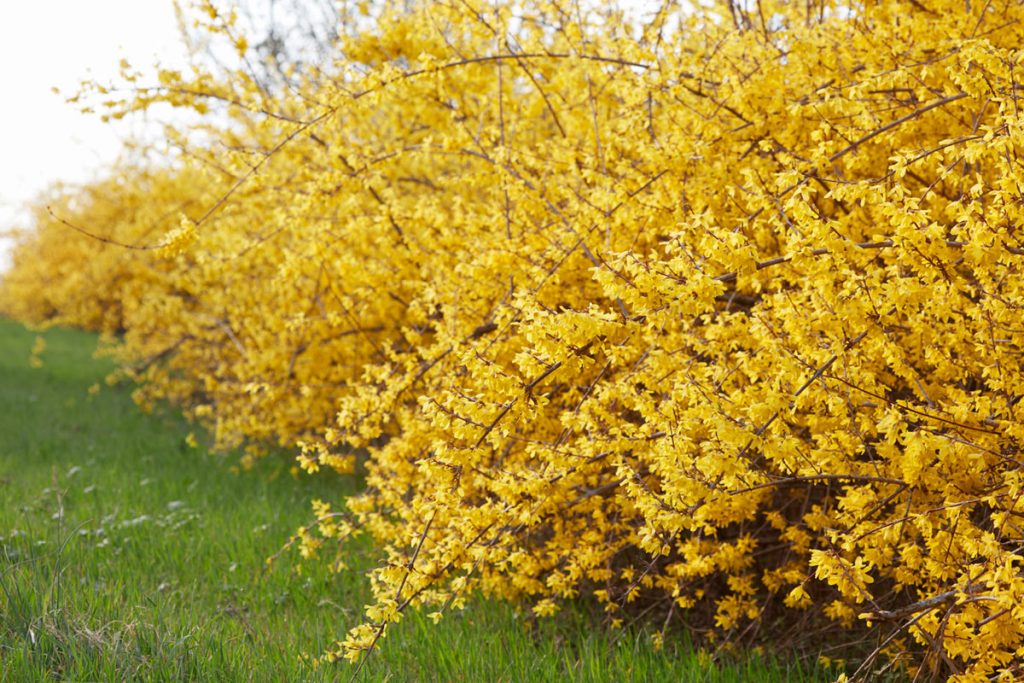
Forsythia: Bursts into a blaze of bright yellow flowers before the leaves fully emerge.
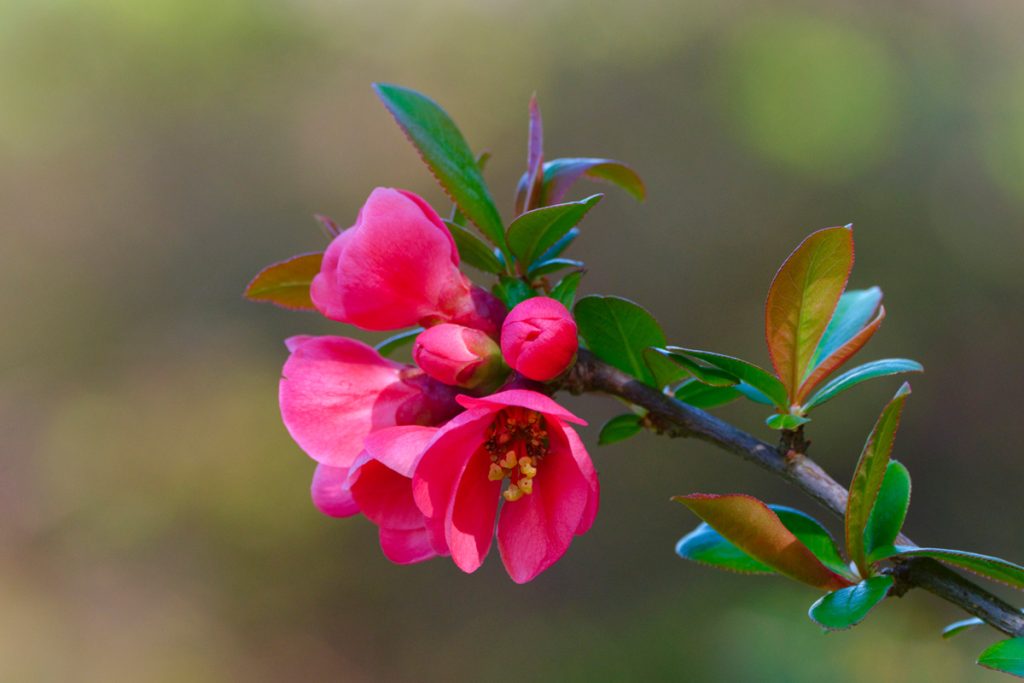
Flowering Quince (Chaenomeles): Produces showy, apple-like blossoms in vibrant reds, pinks, or whites.
Camellia
Forsythia
Flowering Quince
May
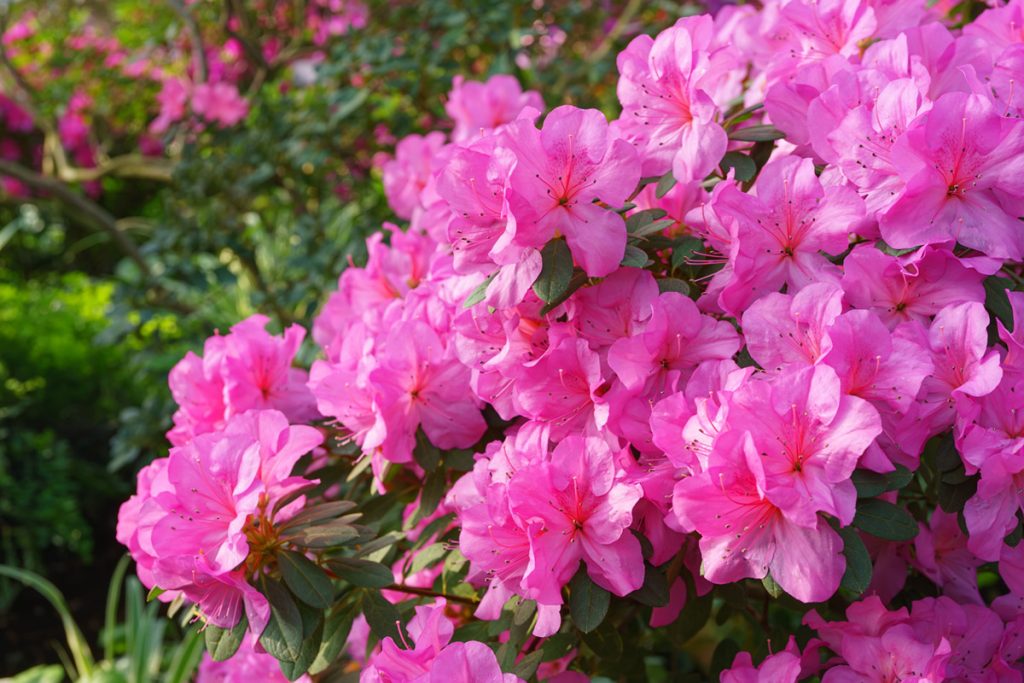
Rhododendron & Azalea: Provide dramatic, large clusters of vibrant blooms.
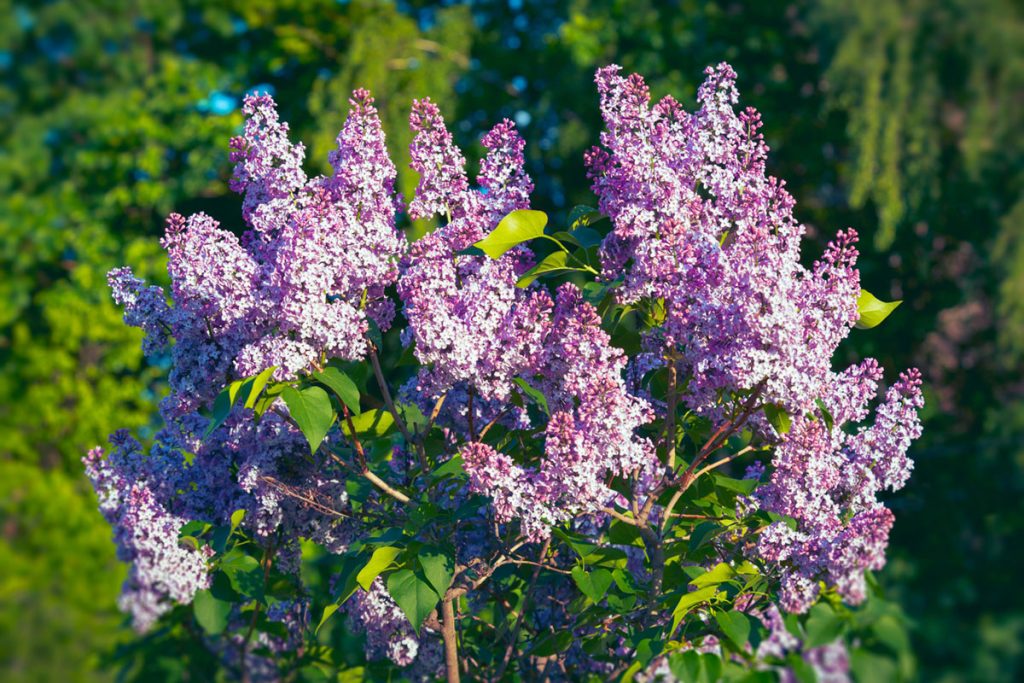
Lilac (Syringa): Produces large, incredibly fragrant purple, pink, or white flower panicles.
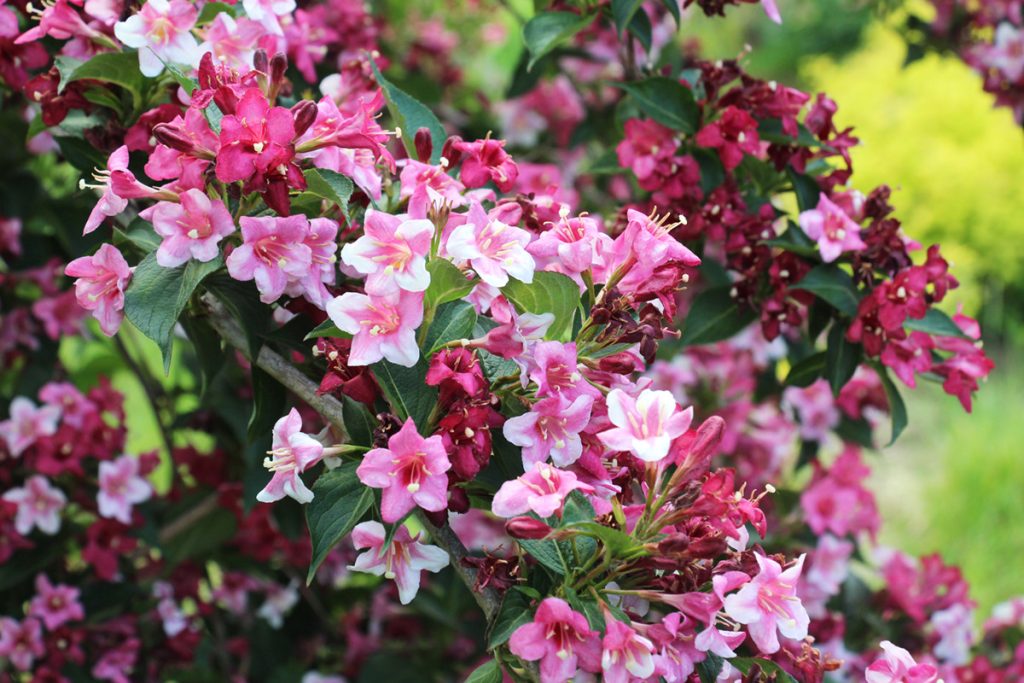
Weigela: Covered in striking trumpet-shaped flowers that attract bees.
Rhododendron & Azalea
Lilac (Syringa)
Weigela
June
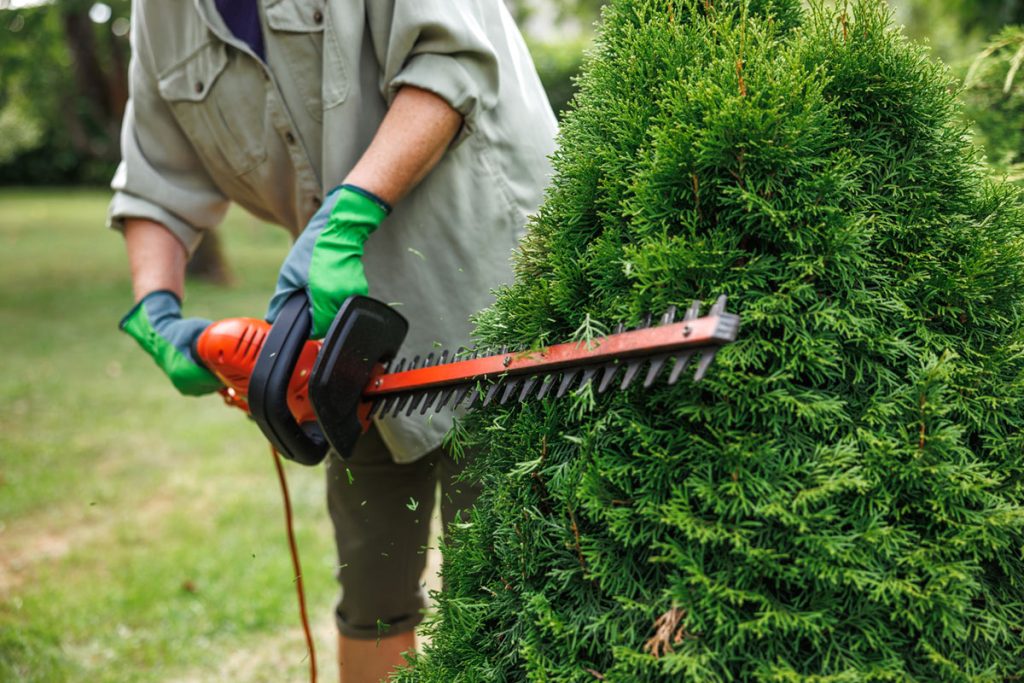
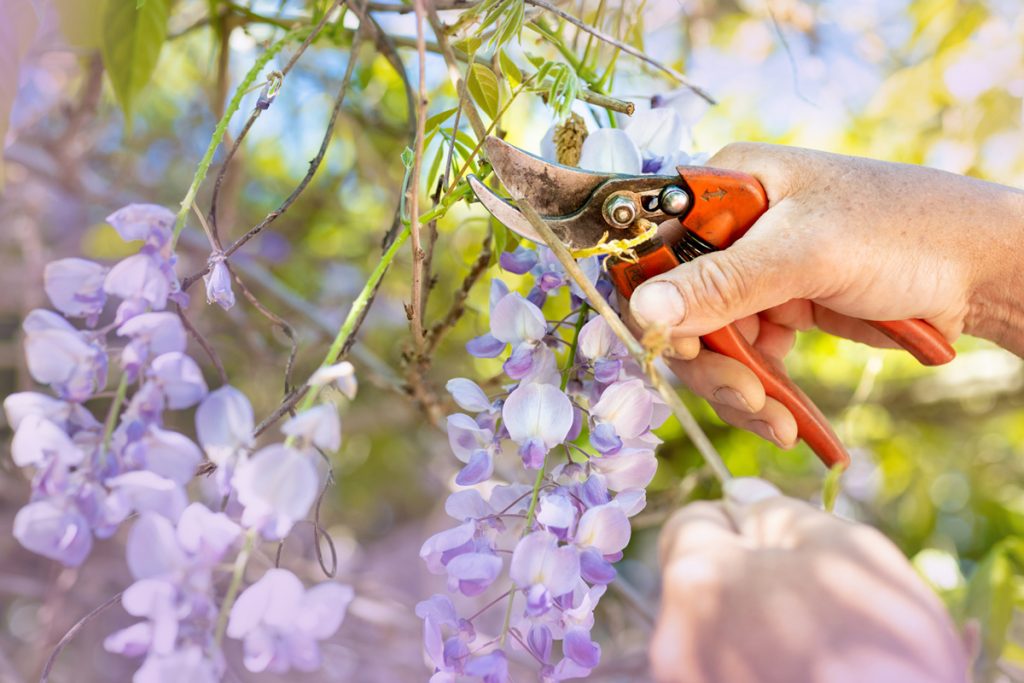
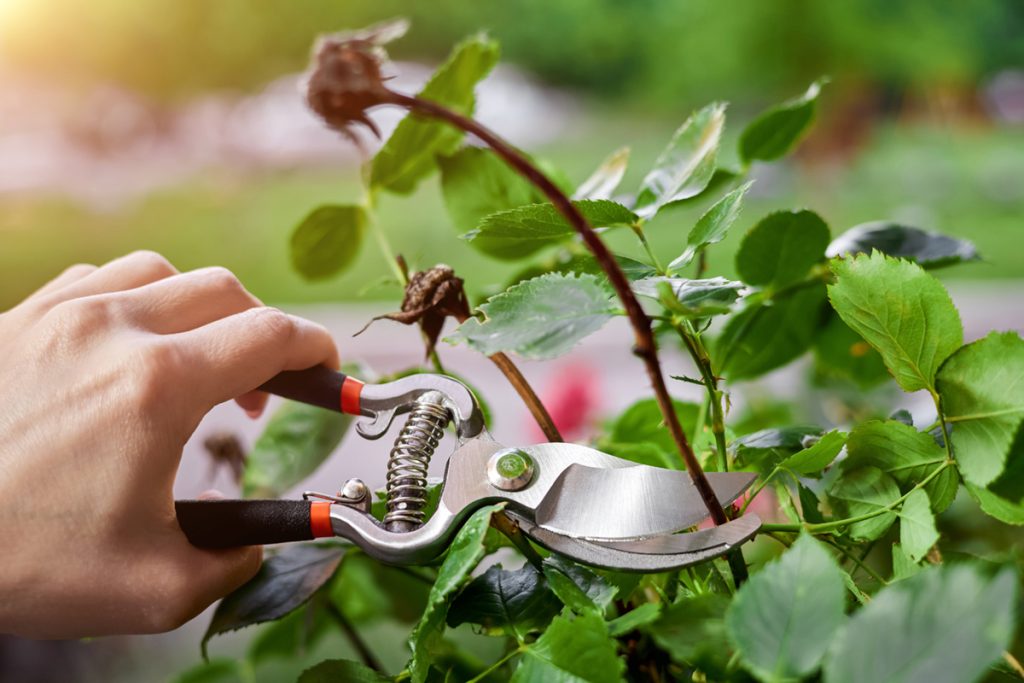
We are now focusing on pruning plants after flowering, maintaining conifer hedges, pruning wisteria and dead heading Roses. It is also a good time to prune and train climbing Roses immediately after flowering.
Maintaining Conifer hegdes
Pruning Wisteria
Deadheading Roses
While timely pruning is important for maintaining healthy, flowering shrubs, always check each plant before cutting back, as pruning requirements can vary slightly depending on age, condition, and growing location. By carrying out pruning across your garden, you will encourage strong new growth and ensure a beautiful display of flowers next year.