As we approach summer, it’s time to think about planting with resilience in mind. Embracing drought-resistant gardening is a vital step in handling climate change, creating a beautiful, low-maintenance space that conserves water, and offering essential biodiversity. These plants are specially adapted to withstand extended dry periods, often featuring characteristics like silvery or fuzzy foliage, deep root systems, or fleshy leaves to store moisture.
Selecting the right species is crucial for a stunning and resilient summer display. Here are some of our top recommendations for drought-resistant plants:
Top drought resistant plants for Summer;
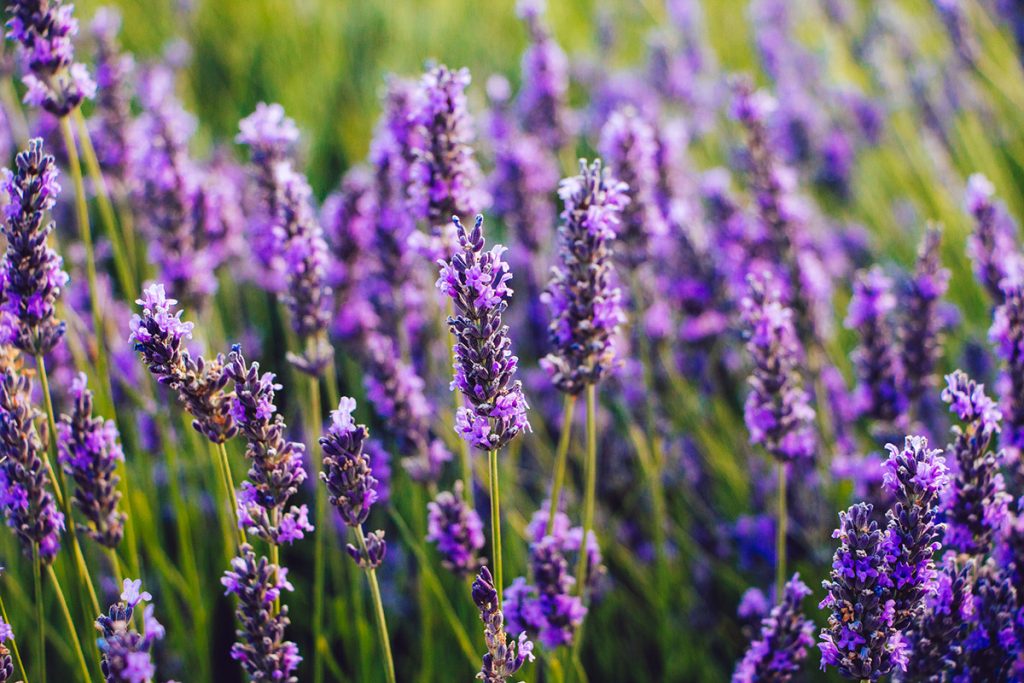
Perennials: Lavender (Lavandula angustifolia), Salvia ‘Amistad’, Echinacea purpurea (Coneflower), Nepeta (Catmint), Achillea (Yarrow), and Sedum. These hardy favorites, such as Lavender and Achillea (Yarrow), are often loved by pollinators while remaining unfazed by dry conditions.
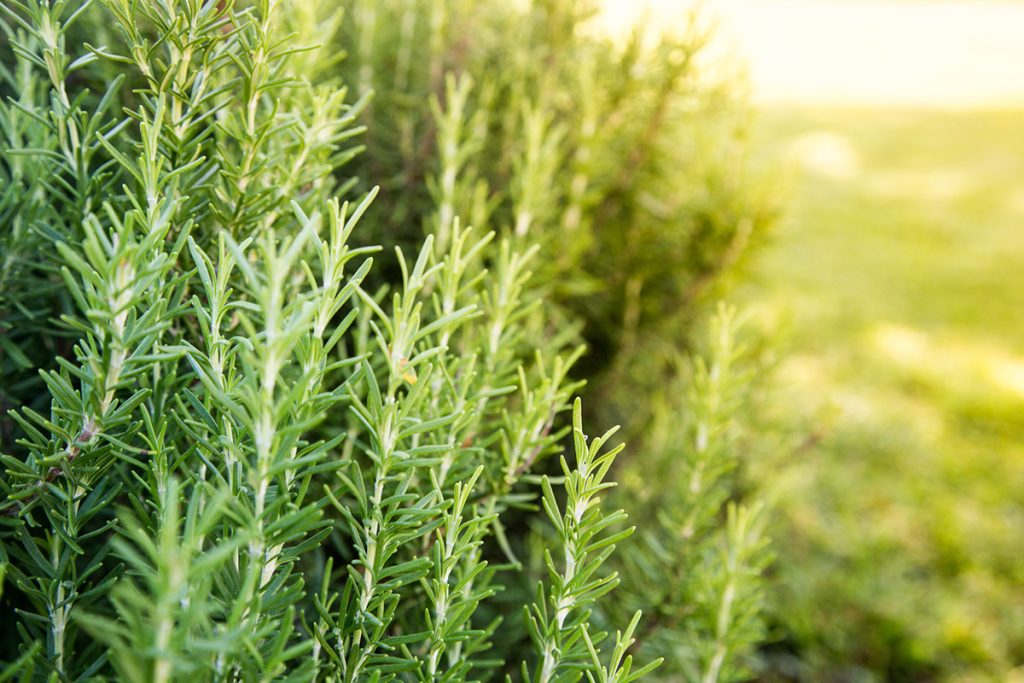
Shrubs & Herbs: Santolina, Artemisia, Potentilla fruticosa, and Rosemary. Many Mediterranean herbs like Rosemary are naturally adapted to dry, sunny environments.
Ground Cover:Erigeron karvinskianus (Mexican Flea Bane) and Delosperma (Hardy Ice Plant) are ideal for covering dry areas, including cracks in walls. Ground cover helps shade the soil, reducing moisture loss.
Grasses:Stipa tenuissima (Ponytail grass) provides elegant movement for dry borders. Many ornamental grasses require minimal watering once established.
Structural Plants:Agapanthus, Yucca filamentosa, and Echium. These offer strong architectural shapes that create focal points even in dry landscapes.
Lavendar
Rosemary
🐝 Top Pollinator Plants (May–July)
Lavender (Lavandula): A summer staple loved by bees, blooming from mid-summer.
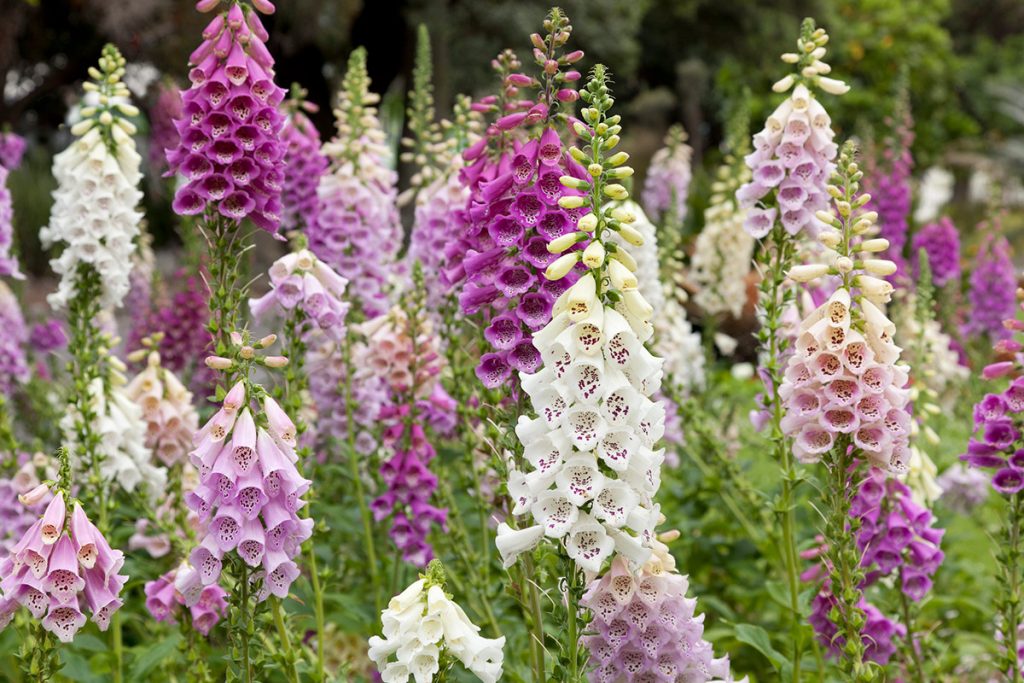
Foxglove (Digitalis): Produces tall spikes of tubular flowers (pink, purple, white) in June and July that are ideal for long-tongued bumblebees.
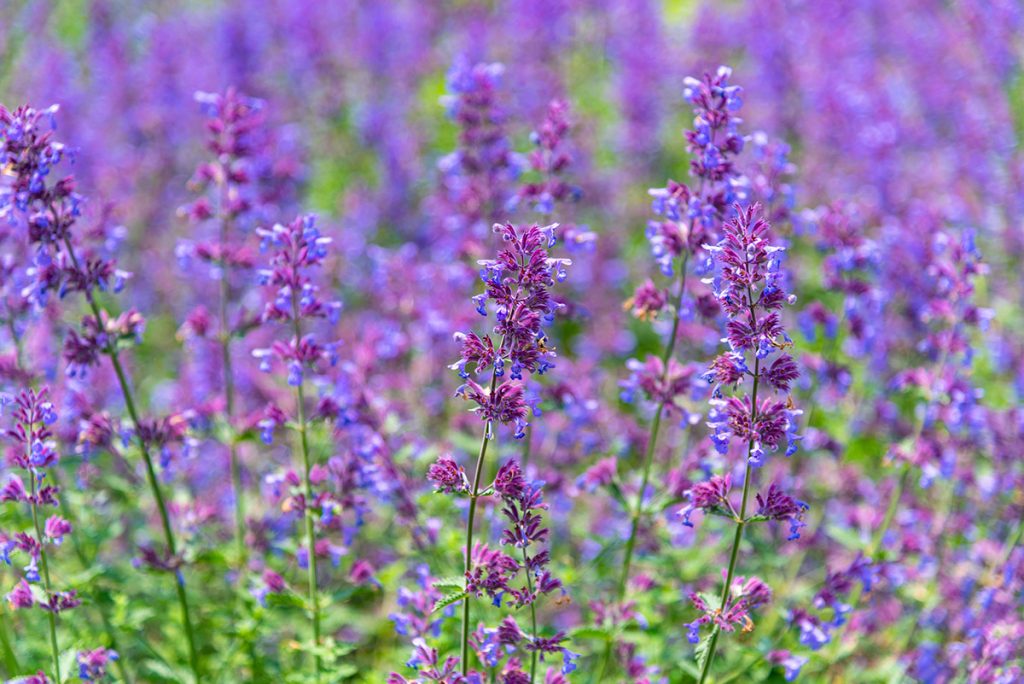
Catmint (Nepeta): Lavender-blue flowers that attract bees and butterflies; can be cut back in July for a second bloom.
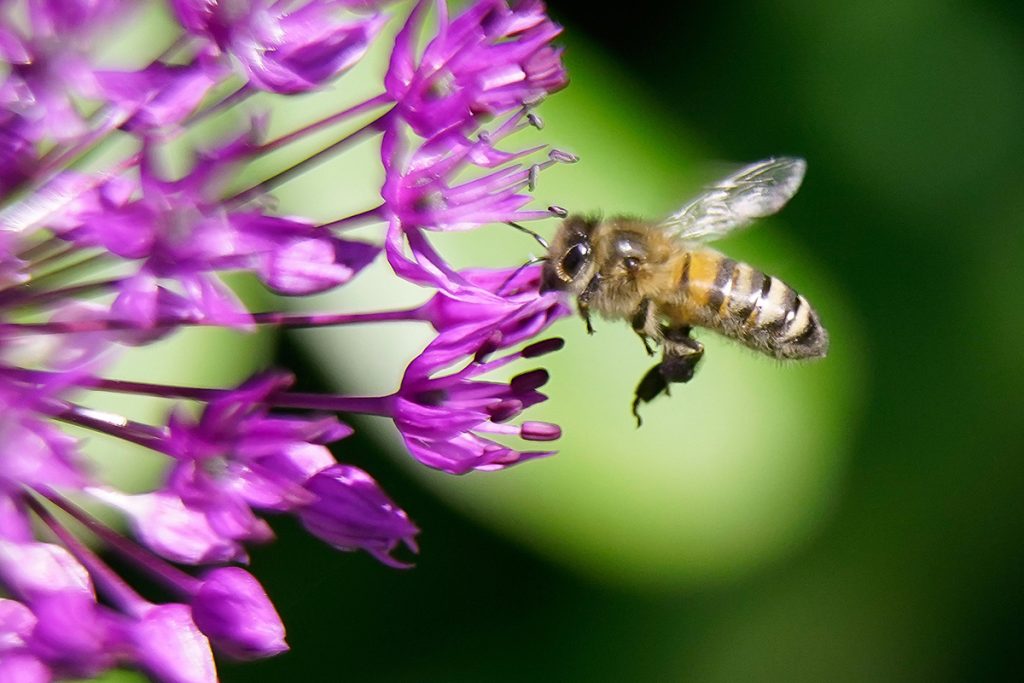
Alliums: Firework-like, purple, or white spheres that are a favourite for bees in late spring to early summer (May-June).
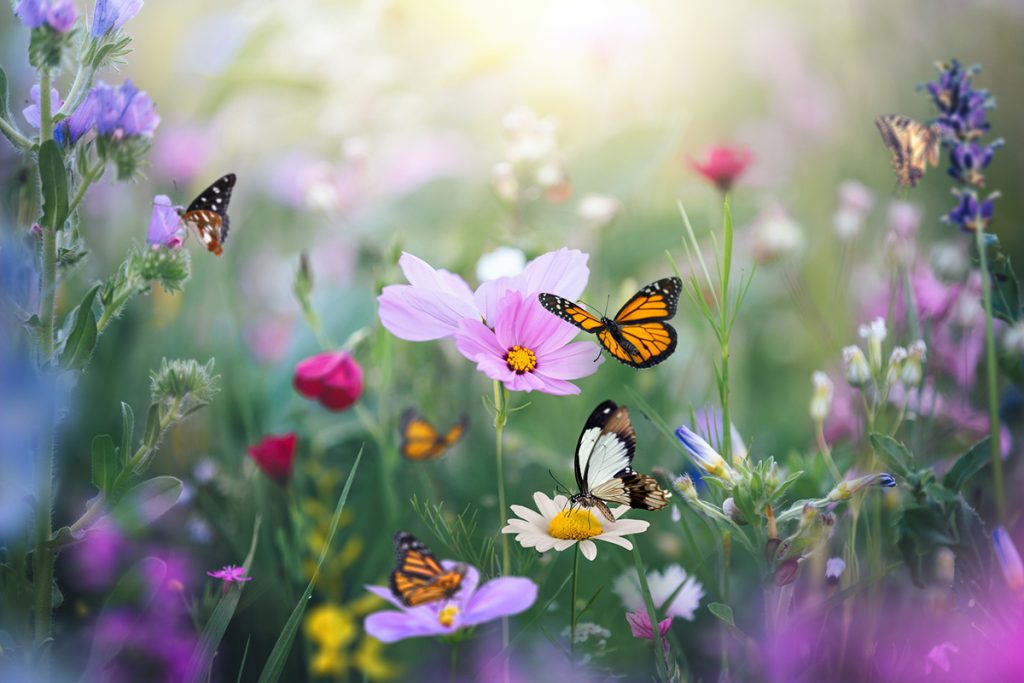
Verbena bonariensis: A top performer for butterflies, flowering from June through to autumn.
Hardy Geraniums (Cranesbill): These offer wide-faced, nectar-rich flowers in shades of blue, pink, and white all summer long.
Comfrey (Symphytum officinale): A hardy perennial providing nectar from May to August.
Foxglove
Catmint
🌿 Perennials and Herbs
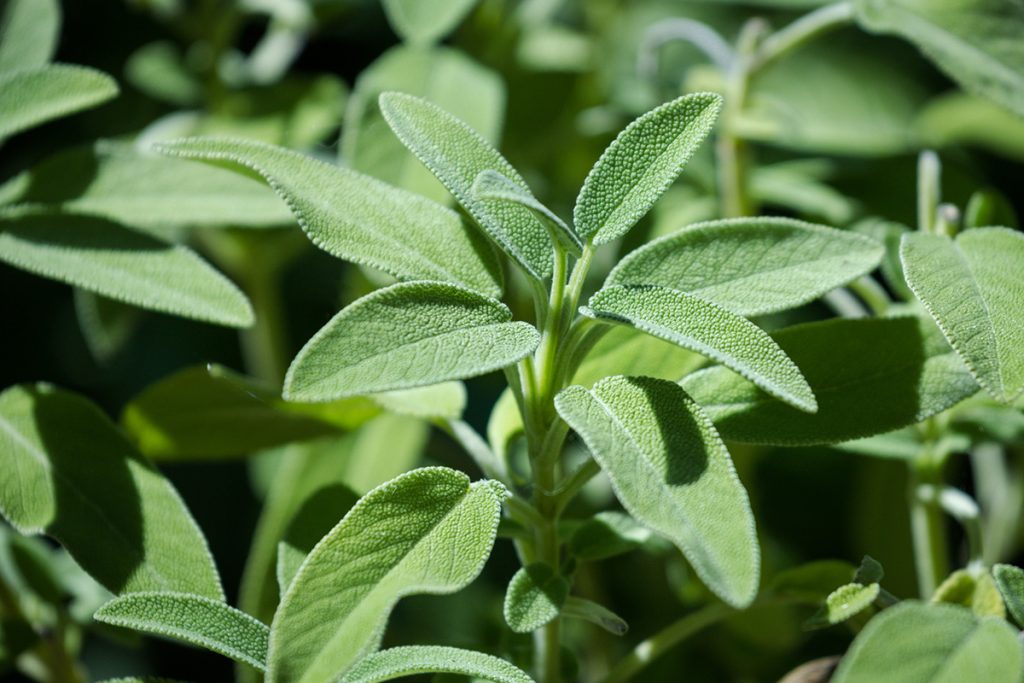
Salvia (Sage): Provides spikes of flowers in shades of blue, purple, and red, attractive to bees and butterflies.
Scabious (Scabiosa): Pincushion flowers that bloom for a long season.
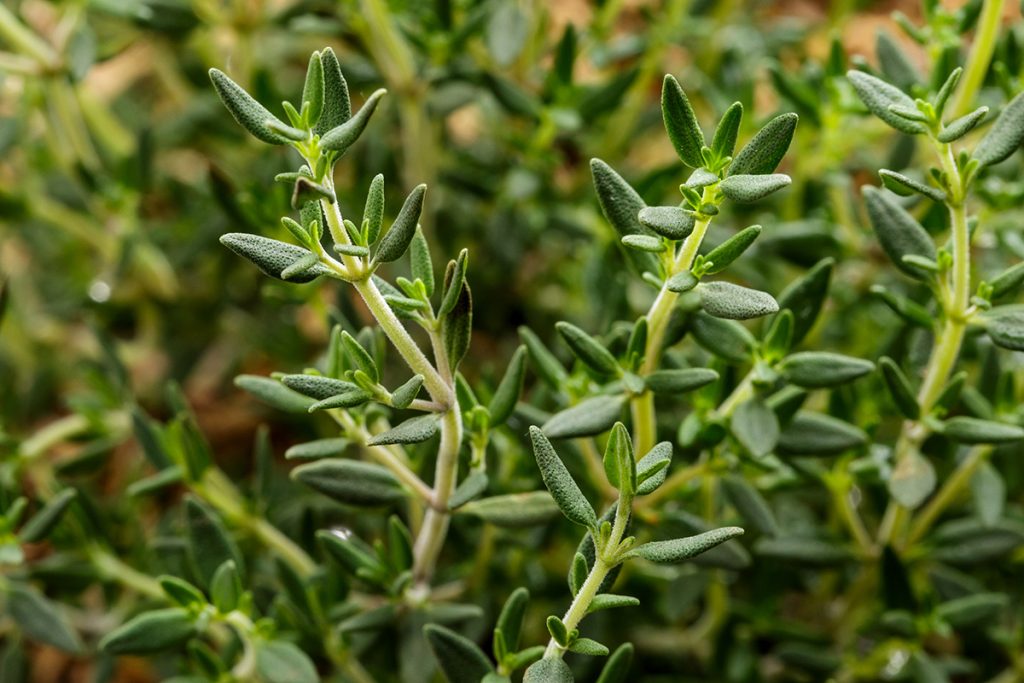
Thyme (Thymus serpyllum): Useful herb with purple flowers in June and July.
Cornflower (Centaurea cyanus): Hardy annual that is highly attractive to bees and butterflies.
Achillea (Yarrow): Flat-topped flowers that serve as landing pads for hoverflies and beneficial insects.
Sage
Thyme
🪻 Shrubs and Climbers
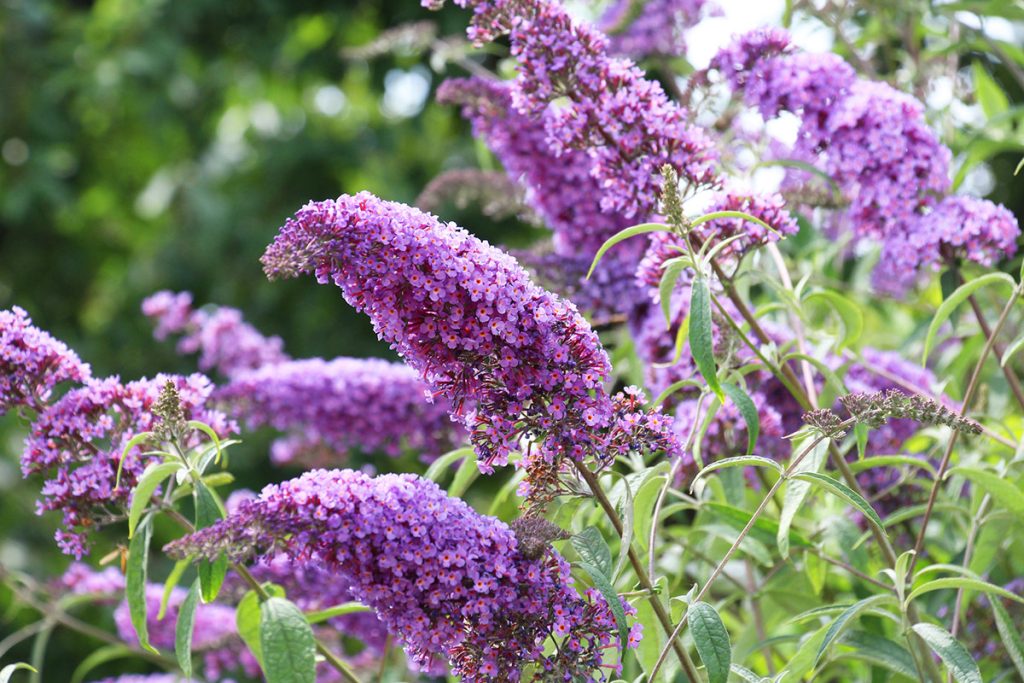
Buddleja (Butterfly Bush): Large, fragrant flower clusters in summer, known as a magnet for butterflies.
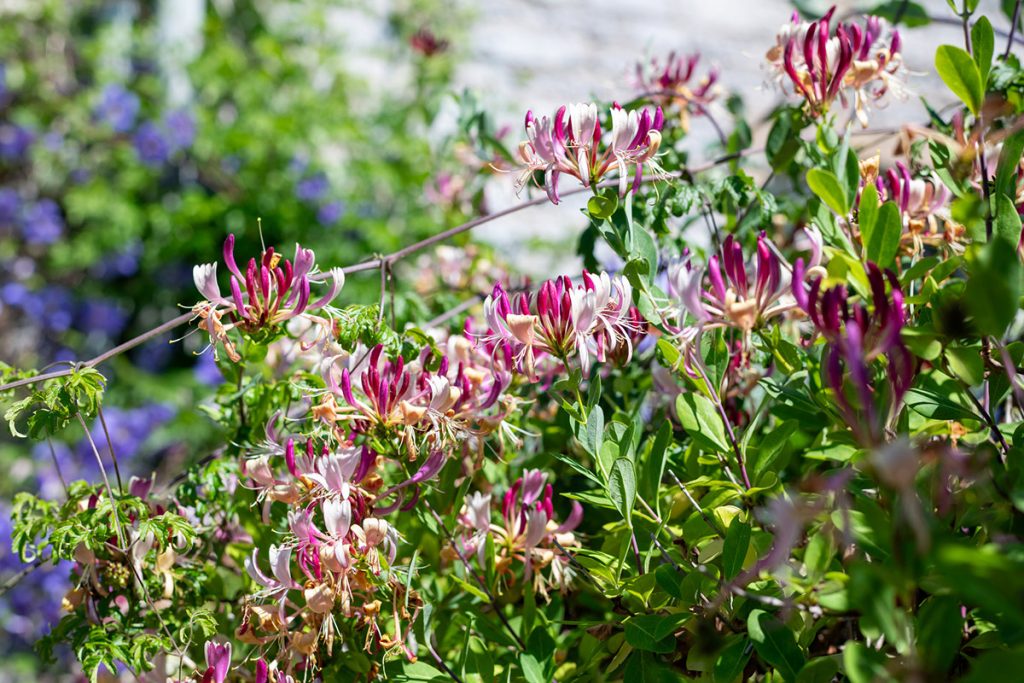
Honeysuckle (Lonicera): Tubular flowers with intense scent, particularly popular with moths and bees.
Cotoneaster: A shrub with small, nectar-rich flowers in late spring/early summer.
Buddleja
Honeysuckle
🦋Support Wildlife
The top insect pollinators of summer are bumblebees, honeybees, hoverflies, butterflies, wasps, and beetles. These insects are vital for ecosystems and food production, actively visiting flowers to consume nectar and pollen. Common summer plants like lavender, sedums, foxgloves, and Verbena are best for attracting these essential pollinators.