Winter Houseplant Survival Guide: Helping Your Indoor Greenery Thrive
January can be a challenging month for houseplants. Shorter days, central heating, and fluctuating temperatures can all take their toll. But with a few simple seasonal adjustments, you can keep your indoor plants healthy, happy – and thriving – through the coldest months of the year.
Water with care
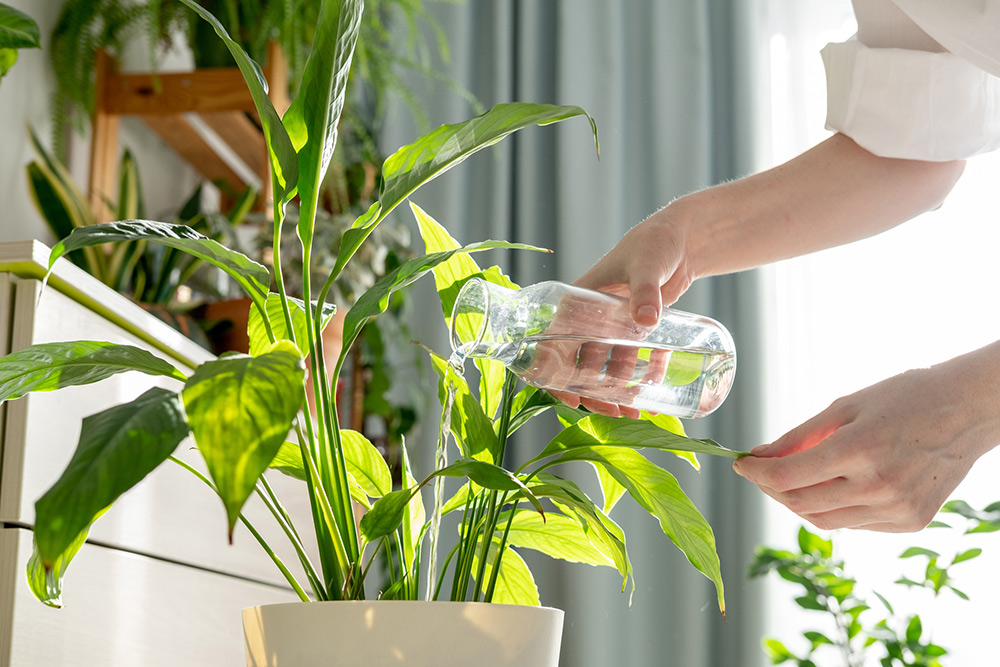
Most houseplants enter a resting phase in winter and need less water. For leafy plants like peace lilies and Swiss cheese plants, check the top inch of soil—if it feels dry, it’s time to water. If not, wait. Always water thoroughly, allowing any excess to drain away, and never leave pots sitting in water.
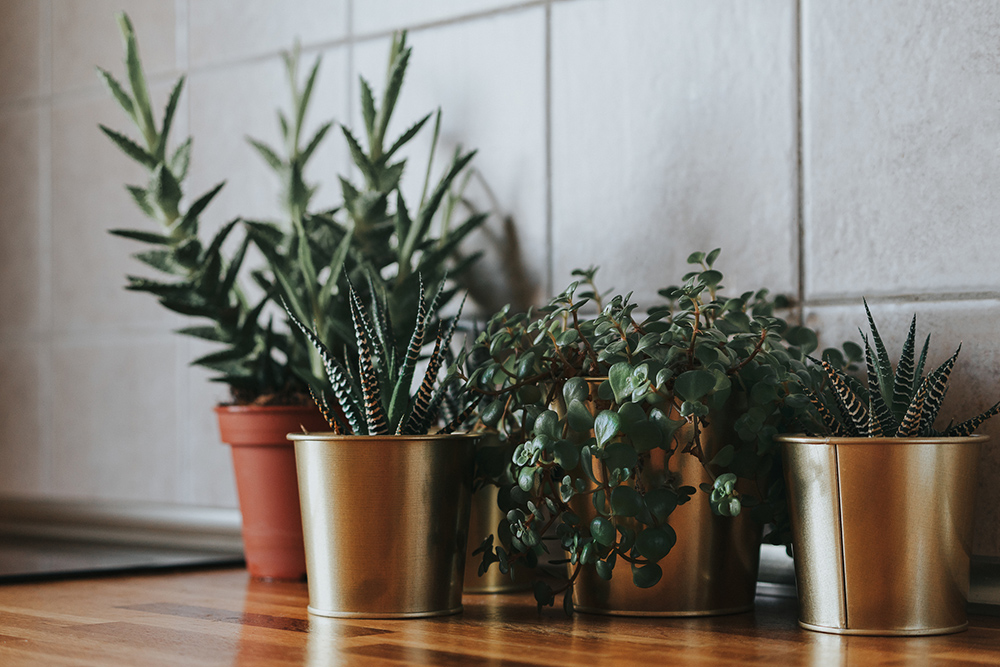
Cacti and succulents typically don’t require watering until spring. Flowering plants such as poinsettias and Christmas cacti should be kept evenly moist to support flower-bud development. Moth orchids only need watering when their roots turn silvery-grey.
Rainwater at room temperature is ideal. If using tap water, allow it to sit overnight to reach ambient temperature and let additives like chlorine evaporate.
Maximise Light
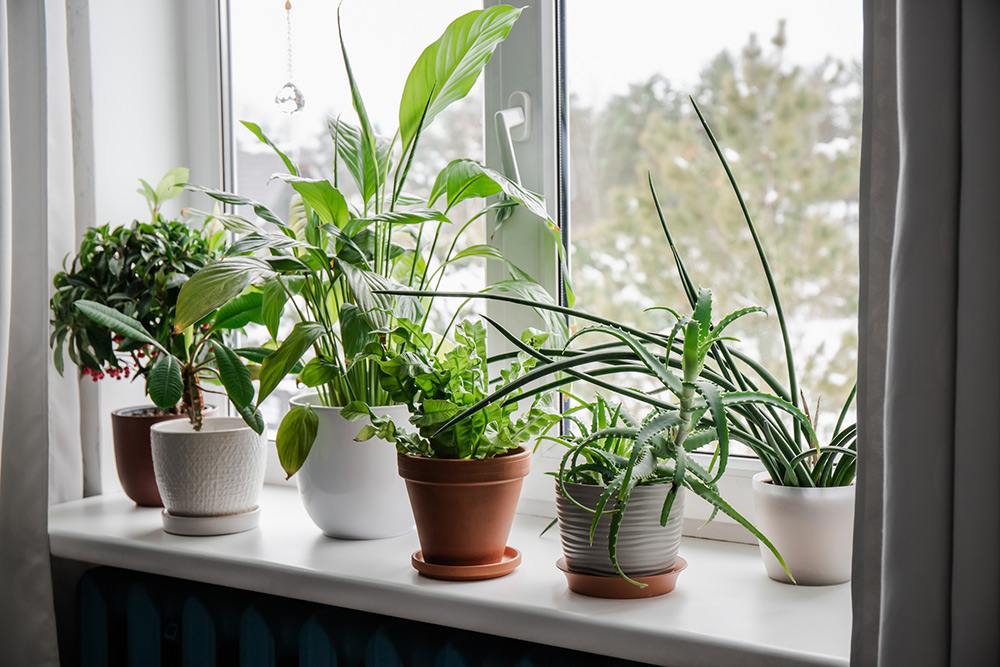
With lower light levels in winter, move sun-loving plants closer to bright windows—but avoid direct contact with cold glass. Clean windows and gently wipe dust from leaves to help plants make the most of available light.
Boost Humidity
Central heating dries out indoor air, which can result in crispy leaf edges. Increase humidity by:
Grouping plants together
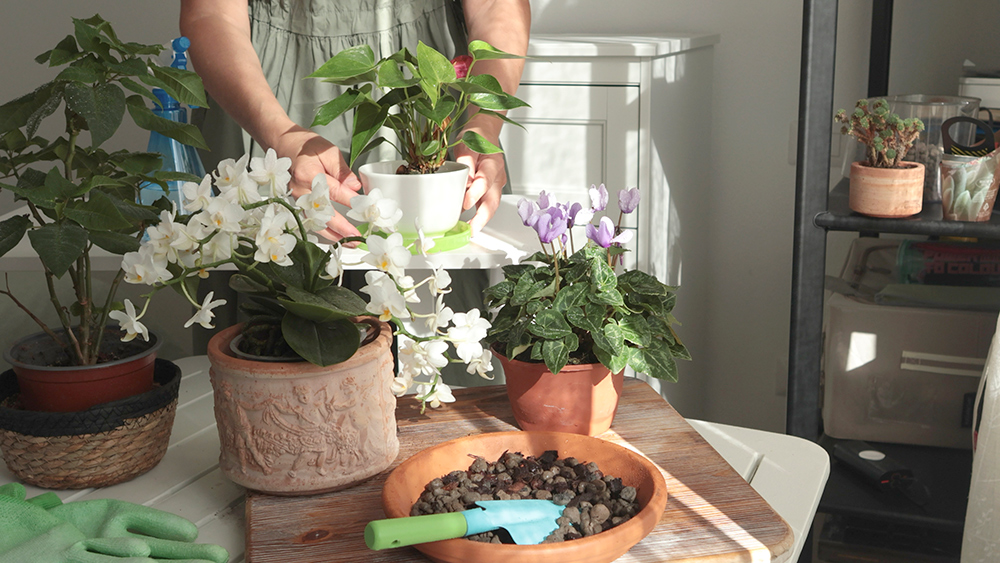
Placing pots on trays filled with pebbles and water (without letting the pot sit directly in water)
Occasionally misting leaves—avoiding excess moisture on foliage
Mind the Temperature
Keep plants away from cold draughts, radiators, and hot air vents. Most houseplants prefer stable temperatures between 15–21°C. Be especially mindful of sudden temperature drops near windowsills overnight.
Hold Back on Feeding
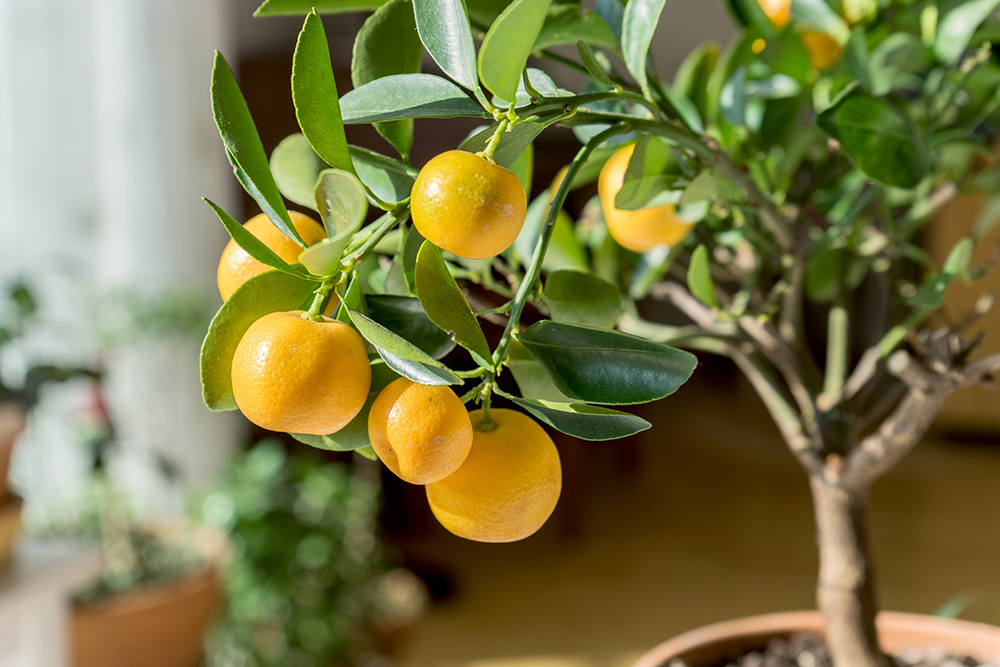
During their winter rest, most plants don’t need fertiliser. Pause regular feeding until new growth appears in spring. Overfeeding during this time can stress the plant. An exception is citrus plants, which benefit from year-round feeding with a citrus-specific fertiliser.
By aligning your plant care routine with the season, your houseplants will be well-prepared to bounce back with fresh, vigorous growth come spring.
Need help identifying a struggling plant or creating the ideal indoor setup? Our team is here to provide tailored advice and hands-on care to keep your greenery glowing all winter long.